

Blog
Character Development in Horror Fiction: Crafting Fear That Feels Real

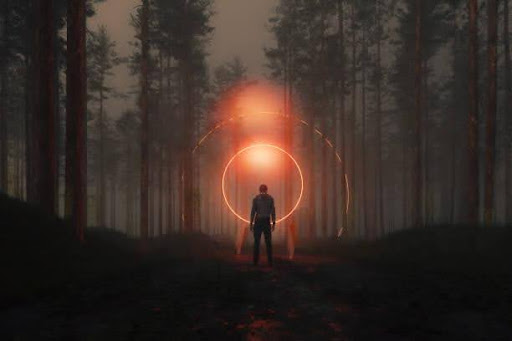
You can have the scariest monster, the darkest haunted house, or the creepiest forest imaginable—but if your characters fall flat, your horror story won’t leave a lasting mark. That’s why character development in horror fiction is just as important—if not more—than jump scares and plot twists.
Readers need to care about who’s being hunted, haunted, or losing their grip on reality. The deeper the character, the deeper the fear.
In this blog, we’ll explore why strong character arcs elevate horror, how to build believable protagonists and villains, and which techniques can transform ordinary characters into unforgettable ones.
Why Character Development Matters in Horror
Horror fiction isn’t just about the fear of death—it’s about the fear of what we could become, or what we could lose. That fear only resonates when characters feel real.
Here’s why character development in horror fiction is essential:
1. The Reader Needs Someone to Root For
If your protagonist is a cardboard cutout, readers won’t care if they survive. Emotionally investing your audience means building characters with backstories, motivations, and flaws.
2. Horror Is Personal
The best horror comes from within. Grief, guilt, betrayal, or repressed trauma often fuel the supernatural or psychological tension. These emotions must be earned through authentic character arcs.
3. Change Is Key to the Genre
At the heart of horror is transformation. Whether it’s physical (e.g., werewolves, body horror) or emotional (e.g., descent into madness), horror demands that characters change. A well-developed arc makes that transformation powerful.
4. Fear Amplifies With Empathy
When you care about a character, their pain becomes your pain. That’s the secret sauce of impactful horror: the terror feels real because the people do.
The Core Components of Character Development in Horror Fiction
Now let’s break down the core ingredients you’ll need when crafting compelling characters for your horror story.
✦ 1. Backstory That Hurts
Pain, regret, or trauma from the past can drive present decisions—and become fertile ground for horror. Whether it’s a dead loved one, an unspeakable mistake, or unresolved guilt, a haunting past sets the emotional tone.
Example: In The Haunting of Hill House, each sibling carries trauma from their childhood in the haunted home, which continues to shape their adult fears and relationships.
✦ 2. Flaws That Matter
Perfect characters don’t belong in horror. Give them fears, weaknesses, and self-destructive habits. Maybe your protagonist avoids confrontation, drinks too much, or lies to protect their ego. These flaws can escalate conflict—and make them human.
✦ 3. Realistic Reactions to the Unnatural
When the supernatural enters the story, how your character reacts speaks volumes. Do they deny it? Rationalize it? Break down completely? Their reaction should be grounded in personality, not plot convenience.
✦ 4. Internal Conflict
What does your character fear most—emotionally? Is it abandonment, failure, loss of control? The external horror (ghosts, monsters) should mirror or amplify this internal fear.
The Final Girl, the Villain, and Everyone in Between
When discussing character development in horror fiction, it helps to look at key archetypes—and how to deepen them.
The Final Girl (or Boy)
Often the sole survivor, the Final Girl is resilient, intelligent, and morally grounded. But to avoid clichés, give her more than just survival instincts. Let her struggle. Let her make mistakes. Let her grow from fear into power.
Tip: Show her at her most vulnerable early on. That way, her eventual triumph feels earned.
The Villain/Monster
Your antagonist isn’t just there to scare—they should reflect something meaningful. Some of the most terrifying villains (Pennywise, Hannibal Lecter, Annie Wilkes) are rooted in twisted psychology, tragic backstories, or eerie charisma.
Tip: Give your villain a motive, even if it’s irrational. Humanizing them—even slightly—makes them more disturbing.
The Disposable Characters
Yes, some characters will die. But even minor characters deserve personalities. Give them quirks, relationships, or goals. Readers remember a death more when they feel the loss.
Character Arcs That Enhance the Horror
One of the most powerful aspects of horror is watching someone change under pressure. Here are common (and effective) horror arcs:
1. The Descent into Madness
A character slowly losing touch with reality can blur the line between real and unreal. Think The Shining or Black Swan. The key here is pacing—build the decline subtly, showing cracks before the full breakdown.
2. The Redemption Arc
A flawed or morally gray character can earn redemption by making a final sacrifice or act of bravery. This works beautifully when the character starts out selfish or cowardly.
3. The Empowerment Arc
Many horror stories center around characters who are silenced or powerless—until they fight back. Their growth into strength and agency is often the most satisfying payoff.
Using Setting and Fear to Reflect Character
Horror settings often act as mirrors. A dilapidated house, foggy woods, or eerie asylum doesn’t just serve mood—it should reflect the character’s psyche.
Example: A character haunted by childhood abuse might return to a crumbling home full of strange noises. The house becomes a symbol of their fractured past.
In this way, character development in horror fiction is often visual and symbolic. Use the environment to show what words cannot.
Writing Tips to Strengthen Character Development in Horror
Here are some practical techniques to ensure your characters feel real and gripping:
1. Use Dialogue to Reveal Fear
What your character won’t say can be as telling as what they do. Awkward pauses, avoidance, or deflection can show buried trauma or growing paranoia.
2. Track the Psychological Toll
Fear changes people. Track how your character’s behavior evolves—eating habits, sleep, mood, language. Let the horror wear them down.
3 .Avoid Tropes Unless You’re Subverting Them
Instead of the “dumb jock” or “mean girl,” give those characters depth. Maybe the jock is deeply loyal, or the mean girl acts out because she’s scared. Layered characters last longer in readers’ minds.
4. Make Them Want Something
Desire drives decisions. Whether it’s escaping a house, saving a child, or uncovering a truth, your character needs a goal. The fear will feel stronger if something meaningful is on the line.
Examples of Strong Character Development in Horror
Need some inspiration? Here are a few books and films that demonstrate excellent character work in the genre:
- Shirley Jackson’s The Haunting of Hill House – The character of Eleanor is fragile, lonely, and desperate for belonging. The house becomes both her refuge and her undoing.
- Stephen King’s Misery – Paul Sheldon isn’t just a victim; his internal journey toward resilience, combined with Annie’s disturbing complexity, creates an unforgettable tension.
- Tananarive Due’s The Good House – This supernatural thriller blends generational trauma with rich emotional depth, anchored by a protagonist navigating both real grief and supernatural terror.
- Jordan Peele’s Get Out – The protagonist Chris isn’t just escaping danger—he’s unraveling the psychological and cultural layers of trust, identity, and manipulation.
- The House of Illusions – Though aimed at younger readers, this novel cleverly builds out each prankster character with humor, backstory, and growth. Even in a playful horror setting, their personalities evolve as the danger escalates.
Fear Means Nothing Without Feeling
The best horror stories don’t just make you jump—they make you care. They make you feel connected to someone in danger, in despair, or in transformation.
That’s the heart of character development in horror fiction: connecting readers to characters so deeply that their fear becomes your own.
So, whether you’re crafting a ghost story, a psychological spiral, or a slasher survival tale, don’t start with the monster. Start with the person staring into the dark—trying to decide if what they see is real, or just the beginning of their unraveling.