

Blog
How to Define Horror Genre: A Complete Guide for Curious Readers and Writers

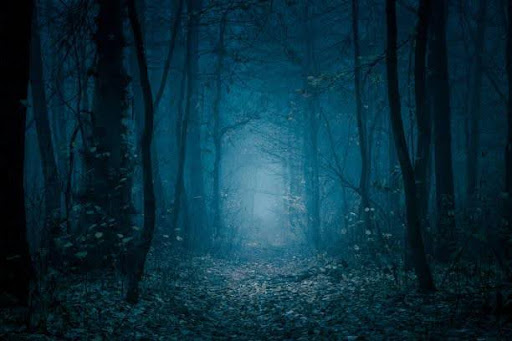
If you’ve ever watched a movie that made you jump or read a story that gave you chills, you’ve already encountered the horror genre. But if you’re here wondering how to define horror genre, the answer goes deeper than blood, ghosts, or things that go bump in the night.
From gothic classics to psychological thrillers to spine-tingling paranormal tales, horror is one of the most diverse genres in storytelling. Whether you’re a writer, reader, student, or just someone intrigued by the mystery of fear, this guide will break it all down for you.
What Is the Horror Genre, Really?
To define horror genre properly, we need to look beyond surface-level scares. At its core, horror is a genre designed to evoke fear, suspense, or dread in its audience. It explores the unknown, often through disturbing, supernatural, or psychologically unsettling elements.
But horror doesn’t always mean monsters or gore. It can be quiet. It can be internal. It can even be funny.
So, if you’re wondering how to define horror genre in a sentence, here’s a simple yet comprehensive answer:
The horror genre is a form of storytelling that uses fear—whether supernatural, psychological, or real-world—to explore human vulnerability and provoke an emotional reaction.
Key Elements of Horror Fiction
When defining horror, it helps to break down the specific ingredients that make it what it is. Here are the essential components found in most horror narratives:
- Fear or Dread: The emotional core of horror. It can be immediate (a jump scare) or slow-building (a creeping sense of doom).
- The Unknown: Horror thrives in ambiguity. Ghosts, curses, or mysterious figures are often left partially unexplained to maintain tension.
- Isolation: Characters are often cut off—physically or emotionally. A deserted cabin, a haunted house, or even emotional loneliness can serve this purpose.
- Monsters (Literal or Metaphorical): Whether it’s a vampire or the guilt in your own mind, horror often personifies fear through antagonistic forces.
- Powerlessness: The protagonist often feels small against the threat—trapped, helpless, or outmatched.
Understanding these building blocks is a vital step in mastering how to define horror genre in both analysis and creation.
A Brief History of Horror
To define horror genre fully, it’s helpful to see how it evolved.
18th–19th Century: Gothic Horror
Think haunted mansions, cursed families, and eerie landscapes. Mary Shelley’s Frankenstein and Bram Stoker’s Dracula are early examples. These stories introduced fear rooted in the unnatural and unknown.
Early 20th Century: Psychological and Cosmic Horror
Writers like Edgar Allan Poe and H.P. Lovecraft introduced horror centered on madness, existential dread, and unseen, omnipotent forces. Here, horror became deeply personal and psychological.
Mid–Late 20th Century: Slasher, Paranormal, and Realism
The rise of movies and books that combined gore, realism, and cultural anxiety (e.g., Stephen King’s novels, The Exorcist, Psycho). Fear of society, technology, or even your neighbors became common horror tropes.
Modern Horror: Subversion and Diversity
Today, horror continues to evolve. We now see horror in unexpected places—children’s books, comedy shows, social commentary (Get Out), and even graphic novels. The definition of horror has broadened, and that flexibility is part of its strength.
The Psychology Behind Horror
Still asking how to define horror genre? Let’s go one level deeper: why does horror work?
Horror taps into primal fears—death, abandonment, darkness, the unknown. When we consume horror, our brains release adrenaline and cortisol, engaging the fight-or-flight response. It creates a thrill—an emotional rollercoaster that’s both terrifying and oddly satisfying.
But horror isn’t just about the scare. It’s a safe way to confront fear, trauma, or taboo topics. Whether it’s grief, guilt, or societal injustice, horror provides a cathartic outlet.
That’s why so many readers (especially teens) are drawn to it. It allows them to process real fears through fictional frameworks.
Popular Subgenres of Horror
There’s no one-size-fits-all when it comes to horror. Understanding the different subtypes can help you define horror genre more precisely in different contexts.
1. Supernatural Horror
Ghosts, demons, possessions, and curses. Think The Conjuring, The Haunting of Hill House, or The Sixth Sense.
2. Psychological Horror
Focuses on the instability of the human mind. Examples include The Shining, Black Swan, or The Babadook.
3. Slasher Horror
Centered on a killer targeting victims. It often follows a “final girl” trope. Classic examples: Halloween, Scream, Friday the 13th.
4. Body Horror
Fear derived from grotesque bodily transformations or mutilation. Think The Fly or Tusk.
5. Survival Horror
Characters must survive an overwhelming threat. Examples: Bird Box, A Quiet Place, or even The Walking Dead.
6. Horror-Comedy
Blends scares with humor. This subgenre includes Shaun of the Dead, Scary Movie, or books like The House of Illusions—a middle-grade mystery that infuses ghostly legends with comedic chaos.
Tips for Writing Horror
If you’re a writer looking to understand how to define horror genre from a creative perspective, here are a few tips:
- Start with a core fear. What frightens you? Fear is more authentic when it’s personal.
- Create tension, not just jump scares. True horror builds slowly.
- Less is more. Don’t overexplain your monster or mystery.
- Make your characters real. The more readers care about them, the scarier it is when they’re in danger.
- Use setting as a character. A haunted house, abandoned hospital, or quiet forest can enhance fear through mood alone.
Defining Horror in Academia
If you’re studying horror literature or media, your professor might ask you to explore the genre through a critical lens. When that happens, try using this framework:
- Thesis: Horror is a narrative form designed to provoke fear or unease through supernatural, psychological, or realistic threats.
- Evidence: Cite texts like Frankenstein (moral horror), It (paranormal and coming-of-age blend), or Hereditary (psychological grief horror).
- Context: Explore how the horror reflects societal fears (e.g., Cold War anxiety, family dysfunction, or modern surveillance culture).
Understanding how to define horror genre in academic writing means knowing how horror reflects the time, culture, and people who create it.
Common Misconceptions About Horror
Let’s bust a few myths:
❌“Horror is just gore and violence.”
Nope. Some of the best horror stories have almost no blood. It’s the suspense and psychological buildup that matters.
❌ “Only dark and depressing people enjoy horror.”
False. Horror fans come from all walks of life and often appreciate the emotional depth, creativity, and catharsis the genre provides.
❌ “Horror isn’t for kids.”
Not true! There’s an entire subcategory of age-appropriate horror and mystery for middle-grade and young adult readers. (Think Goosebumps, Coraline, or The House of Illusions.)
So, How Do YOU Define Horror?
As we’ve explored, there’s no single way to define horror. It’s flexible, personal, and constantly evolving. But whether you prefer ghosts, slashers, haunted houses, or psychological spirals, horror stories all ask one timeless question:
What are you afraid of?
When you know that, you’ll not only understand the genre—you’ll understand why it keeps us reading, watching, and wondering.
Why Horror Still Matters
Understanding how to define horror genre isn’t just for movie buffs or English majors. Horror teaches us about empathy, human limits, and the fragility of comfort. It challenges what we know and makes us feel alive—even when we’re scared out of our minds.
So, the next time someone asks you what horror really is, you’ll know how to answer. It’s not just about what scares us—it’s about what moves us.